
Nordlys IPL
Winston-Salem
Elevate Your Complexion: The Definitive Guide to Nordlys IPL in Winston-Salem at Camel City Injector
If your mirror reflects the cumulative toll of sun-drenched weekends, environmental stressors, and the natural passage of time, you are certainly not alone. North Carolina residents enjoy an enviable climate, but prolonged UV exposure takes a significant toll on skin health. From stubborn solar lentigines and freckles to persistent facial erythema, broken capillaries, and fine lines, achieving a crystal-clear complexion often proves difficult with over-the-counter topicals alone. Fortunately, modern aesthetic medicine offers a sophisticated, highly effective solution.
As a premier boutique medical spa serving Winston-Salem, King, Mount Airy, and the surrounding areas, Camel City Injector specializes in advanced skin rejuvenation designed to restore clarity, radiance, and youthful vitality. For those seeking premier Nordlys IPL in Winston-Salem, this guide explores why Intense Pulsed Light is the undisputed gold standard for skin clarity, how cutting-edge technology elevates clinical outcomes, and why Camel City Injector remains the region’s trusted destination for expert aesthetic care.
What Is a Nordlys IPL Photofacial?
The Nordlys IPL Photofacial is a medical-grade light treatment by Candela designed to improve visible sun damage, uneven pigmentation, facial redness, and small blood vessels. Rather than resurfacing the entire skin surface, Nordlys uses carefully selected pulses of light to target the unwanted reds and browns contributing to an uneven complexion.
A Nordlys IPL Photofacial is a noninvasive treatment that uses Candela’s Selective Waveband Technology, or SWT®, to improve visible discoloration caused by excess pigment and superficial blood vessels. The light targets two primary sources of discoloration:
- Melanin: Which contributes to brown spots and sun-related pigmentation.
- Hemoglobin: Which contributes to facial redness, flushing, and visible vessels.
The body gradually clears the treated pigment and vessels, leaving the complexion looking more even, clear, and refreshed.
Uncover Your Beauty Today
Please fill out this form and we will contact you shortly to schedule your FREE consultation
The Science of Intense Pulsed Light (IPL)
To appreciate the value of high-performance light therapy, one must understand the underlying mechanism of Intense Pulsed Light. While single-wavelength lasers utilize one specific beam of light to address isolated concerns, IPL delivers a broad spectrum of high-intensity, precisely filtered light pulses. This versatility allows an experienced clinical provider to target multiple skin chromophores (target molecules) simultaneously:
- Melanin: The excess pigment responsible for sunspots, age spots, freckles, and hyperpigmentation.
- Oxyhemoglobin: The blood vessels responsible for telangiectasias (broken capillaries), spider veins, diffuse redness, and rosacea-related flushing.
When light energy is delivered to the skin, it is selectively absorbed by these target structures and converted into thermal energy. This precise heat gently breaks down unwanted pigment or collapses compromised blood vessels, allowing the body to naturally clear them away over subsequent days. Simultaneously, this controlled thermal injury stimulates deep dermal collagen remodeling, yielding improved skin elasticity, refined pores, and a smoother, more resilient texture.
The Science of Intense Pulsed Light (IPL)
To appreciate the value of high-performance light therapy, one must understand the underlying mechanism of Intense Pulsed Light. While single-wavelength lasers utilize one specific beam of light to address isolated concerns, IPL delivers a broad spectrum of high-intensity, precisely filtered light pulses. This versatility allows an experienced clinical provider to target multiple skin chromophores (target molecules) simultaneously:
- Melanin: The excess pigment responsible for sunspots, age spots, freckles, and hyperpigmentation.
- Oxyhemoglobin: The blood vessels responsible for telangiectasias (broken capillaries), spider veins, diffuse redness, and rosacea-related flushing.
When light energy is delivered to the skin, it is selectively absorbed by these target structures and converted into thermal energy. This precise heat gently breaks down unwanted pigment or collapses compromised blood vessels, allowing the body to naturally clear them away over subsequent days. Simultaneously, this controlled thermal injury stimulates deep dermal collagen remodeling, yielding improved skin elasticity, refined pores, and a smoother, more resilient texture.
Why Advanced Nordlys Technology Matters
The efficacy and safety of an IPL treatment depend heavily on the sophistication of the device used. Traditional legacy systems often require excessive energy outputs to achieve clinical results, which can heighten patient discomfort and increase the risk of adverse effects particularly across diverse skin types. Modern advancements have revolutionized the patient experience. Leading platforms utilize Selective Waveband Technology (SWT®) featuring patented dual-mode filtering.
This critical engineering innovation filters out unnecessary and potentially water-absorbing wavelengths, ensuring that only the most therapeutically precise light interacts with the tissue. The advantages of choosing a high-performance precision IPL system include:
- Superior Clearance in Fewer Sessions: Optimal energy delivery straight to the target structures yields faster, more dramatic clearing of pigmentation and vascular lesions.
- Enhanced Patient Comfort: Integrated real-time cooling mechanisms protect the epidermis throughout the pulse duration, significantly reducing discomfort compared to older-generation devices.
- Broad Versatility: Advanced parameter customization allows expert practitioners to safely treat a wider spectrum of skin tones and delicate facial contours.
- Minimal Downtime: Patients can resume their normal daily schedules immediately following treatment, making it the ideal aesthetic procedure for busy professionals.
What Can Nordlys IPL Improve?
Nordlys IPL may be used to improve the appearance of:
- Sun damage
- Brown spots
- Freckles
- Solar lentigines, commonly called age spots
- Uneven pigmentation
- Diffuse facial redness
- Rosacea-related redness
- Visible facial vessels
- Telangiectasias
- Redness across the cheeks, nose, chin, or chest
- Poikiloderma of Civatte
- An uneven or blotchy complexion
Candela identifies SWT IPL as an appropriate treatment for diffuse redness, irregular pigmentation, and sun-damaged skin.
Note: Nordlys IPL is intended for benign pigmentation. Any spot that appears suspicious, has changed, or has not been medically evaluated may need to be assessed by a dermatology provider before treatment. Additionally, we do not use IPL to treat melasma; other technologies, including Pico laser treatments, may be considered when appropriate following an individual skin evaluation.
What Can Nordlys IPL Improve?
Nordlys IPL may be used to improve the appearance of:
- Sun damage
- Brown spots
- Freckles
- Solar lentigines, commonly called age spots
- Uneven pigmentation
- Diffuse facial redness
- Rosacea-related redness
- Visible facial vessels
- Telangiectasias
- Redness across the cheeks, nose, chin, or chest
- Poikiloderma of Civatte
- An uneven or blotchy complexion
Candela identifies SWT IPL as an appropriate treatment for diffuse redness, irregular pigmentation, and sun-damaged skin.
Note: Nordlys IPL is intended for benign pigmentation. Any spot that appears suspicious, has changed, or has not been medically evaluated may need to be assessed by a dermatology provider before treatment. Additionally, we do not use IPL to treat melasma; other technologies, including Pico laser treatments, may be considered when appropriate following an individual skin evaluation.
How Is Nordlys Different From Traditional IPL?
Traditional IPL devices often release a broad range of light wavelengths, including wavelengths that do not contribute to the intended treatment.
Nordlys uses narrowband, dual-filter Selective Waveband Technology to remove unnecessary wavelengths before the light reaches the skin. This allows the device to more precisely target the pigment or blood vessel being treated while reducing unnecessary heat delivered to the surrounding skin. Because SWT filters out those extra wavelengths, less energy is needed to treat the same target, and the treatment is designed to feel more comfortable than traditional broadband IPL.
Areas We Treat
Nordlys IPL treatments at Camel City Injector can be safely and effectively applied to several key areas showing signs of sun damage, aging, or vascular concerns:
- Face: The most common treatment area for addressing freckles, sunspots, diffuse facial redness, broken capillaries, and rosacea-related flushing.
- Neck: Ideal for correcting sun damage and uneven pigmentation that frequently accumulates over time.
- Chest (Décolletage): Highly effective for treating mottled pigmentation, sun spots, and vascular discoloration often caused by cumulative UV exposure.
- Hands: Helps clear stubborn age spots and sun-induced pigmentation on the back of the hands.
- Other Areas: Additional regions exhibiting sun damage or visible discoloration can also be evaluated on an individual basis.

Your Nordlys IPL Treatment Journey at Camel City Injector
Commitment to patient education, transparency, and comfort ensures a seamless treatment journey from start to finish.
Step 1: The Comprehensive Skin Assessment
Before treatment, your provider will evaluate:
- Your Fitzpatrick skin type
- Recent sun exposure or tanning
- The color and depth of the pigment or vessels
- Medications and skincare products
- Your treatment goals
- Whether the spots being treated appear benign
These factors help determine whether IPL is appropriate and which Nordlys applicator and settings should be used.
Step 2: Customized Light Selection
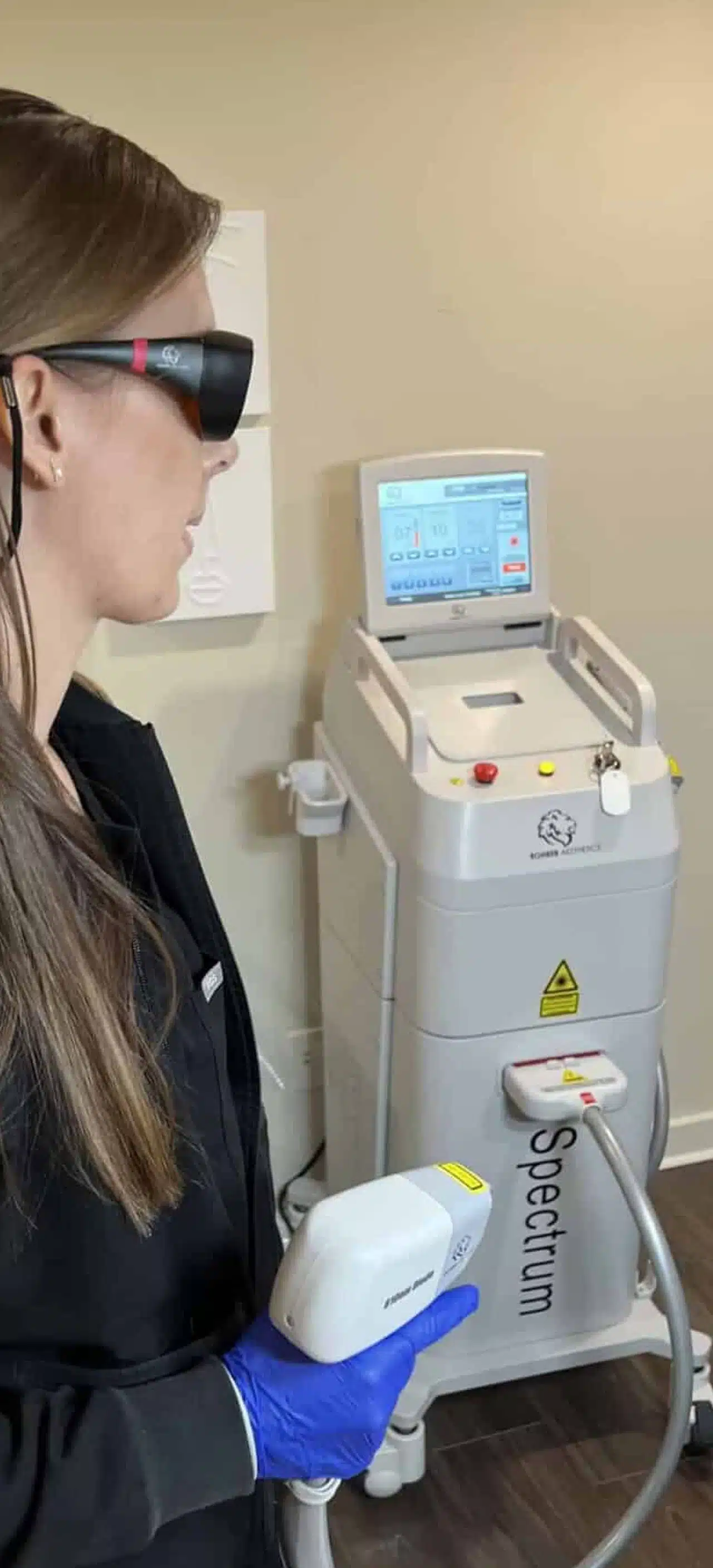
Nordlys offers several specialized IPL applicators rather than relying on one handpiece for every concern. Your provider selects the applicator based on your skin type and whether your treatment is primarily focused on redness, pigment, or a combination of both.
Step 3: Targeted IPL Pulses
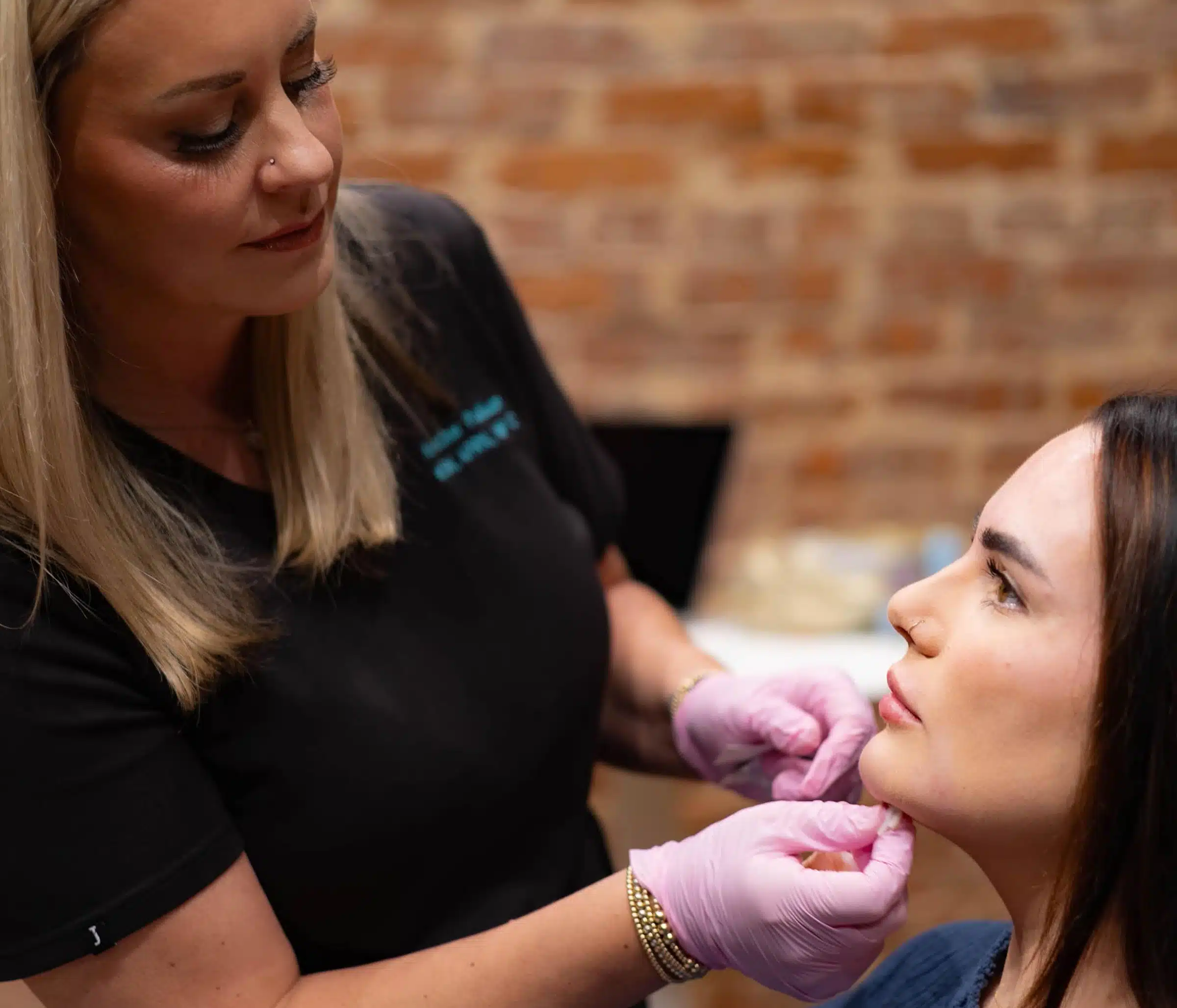
A thin layer of gel is placed over the treatment area. The applicator is positioned against the skin and delivers controlled pulses of light. Patients commonly describe each pulse as a quick snap, warmth, or tingling sensation. Topical numbing is typically not used for a standard IPL Photofacial because your provider watches how your skin responds during treatment to guide the settings, and numbing cream can interfere with that response.
Step 4: Gradual Clearing
- Brown Spots: Years of sun exposure can create a scattered mask of freckles, age spots, and uneven brown pigmentation across the face, neck, chest, and hands. Nordlys IPL targets melanin within superficial, benign pigmented lesions. After treatment, brown spots commonly darken into a micro-crust (often resembling tiny coffee grounds) before gradually fading or flaking away over approximately one to two weeks. SWT IPL provides consistent results for epidermal pigment but does not reach deeply enough to reliably treat dermal pigmentation.
- Facial Redness: Diffuse redness is often caused by many small superficial vessels that create an overall pink, red, or flushed appearance. The vessel absorbs the light energy, allowing the body to safely collapse and absorb it back into the body. While Nordlys may significantly reduce visible rosacea-related redness, it does not cure rosacea, and future maintenance treatments may be needed as new vessels return over time.
Your Nordlys IPL Treatment Journey at Camel City Injector
Commitment to patient education, transparency, and comfort ensures a seamless treatment journey from start to finish.
Step 1: The Comprehensive Skin Assessment
Before treatment, your provider will evaluate:
- Your Fitzpatrick skin type
- Recent sun exposure or tanning
- The color and depth of the pigment or vessels
- Medications and skincare products
- Your treatment goals
- Whether the spots being treated appear benign
These factors help determine whether IPL is appropriate and which Nordlys applicator and settings should be used.
Step 2: Customized Light Selection
Nordlys offers several specialized IPL applicators rather than relying on one handpiece for every concern. Your provider selects the applicator based on your skin type and whether your treatment is primarily focused on redness, pigment, or a combination of both.
Step 3: Targeted IPL Pulses
A thin layer of gel is placed over the treatment area. The applicator is positioned against the skin and delivers controlled pulses of light. Patients commonly describe each pulse as a quick snap, warmth, or tingling sensation. Topical numbing is typically not used for a standard IPL Photofacial because your provider watches how your skin responds during treatment to guide the settings, and numbing cream can interfere with that response.
Step 4: Gradual Clearing
- Brown Spots: Years of sun exposure can create a scattered mask of freckles, age spots, and uneven brown pigmentation across the face, neck, chest, and hands. Nordlys IPL targets melanin within superficial, benign pigmented lesions. After treatment, brown spots commonly darken into a micro-crust (often resembling tiny coffee grounds) before gradually fading or flaking away over approximately one to two weeks. SWT IPL provides consistent results for epidermal pigment but does not reach deeply enough to reliably treat dermal pigmentation.
- Facial Redness: Diffuse redness is often caused by many small superficial vessels that create an overall pink, red, or flushed appearance. The vessel absorbs the light energy, allowing the body to safely collapse and absorb it back into the body. While Nordlys may significantly reduce visible rosacea-related redness, it does not cure rosacea, and future maintenance treatments may be needed as new vessels return over time.
Preparing for Your Nordlys IPL Treatment
For the safest and most predictable treatment, avoid tanning and significant sun exposure before your appointment.
- One Month Before Treatment: Avoid tanning beds, intentional sunbathing, and self-tanning products. Use broad-spectrum sunscreen with at least SPF 30 and keep the skin adequately moisturized.
- Before Your Appointment: Tell your provider about recent sun exposure, changes in medications, photosensitizing medications or supplements, prescription skincare, recent chemical peels or resurfacing, a history of cold sores, and any new or changing pigmented lesions. You may be instructed to pause retinoids, glycolic acid, or other potentially irritating products before treatment. Do not stop prescription medications without guidance from the prescribing provider.
- Smoking Warning: If you are being treated for redness or visible vessels, avoid smoking for at least four to eight hours before your appointment, as nicotine constricts blood vessels and may make vascular targets more difficult to treat.
After Your Nordlys IPL Treatment & Downtime
Nordlys IPL usually involves minimal downtime, but the visible response depends on what is being treated. Common temporary responses may include redness, mild swelling (especially around the eyes or upper cheeks), warmth, itching, dryness, temporary peeling, darkening of treated brown spots, and temporary darkening or increased visibility of vessels.
Post-Care Guidelines:
- Apply broad-spectrum mineral sunscreen of SPF 30 or higher every morning without exception.
- Avoid direct sun exposure and prolonged UV exposure.
- Avoid saunas, strenuous exercise, hot showers, and excessive heat for 24 to 48 hours post-treatment.
- Keep the skin adequately moisturized using bland, hydrating cleansers.
- Hands-Off Healing: Never scratch, scrub, pick, or mechanically exfoliate treated pigmented areas while they flake off over 3 to 7 days.
- Avoid aggressive cleansers, active corrective serums, chemical peels, exfoliants, and waxing over the treated area until cleared.
- Use makeup only when the skin feels comfortable, preferably after the first 24 hours.
How Many Treatments Will I Need?
Most patients benefit from a series rather than a single treatment. While some individual brown spots or vessels may respond after one session, most patients benefit from a series of approximately three treatments spaced roughly four weeks apart. More persistent redness, rosacea-related vessels, or extensive sun damage may require additional sessions. Maintenance treatments may also be recommended as new pigmentation or vessels appear over time.
IPL vs. Frax: Which Treatment Do I Need?
- Nordlys IPL is primarily used to address color, including brown spots, sun damage, redness, visible vessels, and uneven tone.
- Frax Fractional Laser is primarily used to address texture, including fine lines, enlarged-looking pores, rough texture, acne scarring, and deeper skin resurfacing and collagen remodeling.
Patients concerned with both tone and texture may benefit from the signature Nordlys Light & Bright combination treatment.
How Many Treatments Will I Need?
Most patients benefit from a series rather than a single treatment. While some individual brown spots or vessels may respond after one session, most patients benefit from a series of approximately three treatments spaced roughly four weeks apart. More persistent redness, rosacea-related vessels, or extensive sun damage may require additional sessions. Maintenance treatments may also be recommended as new pigmentation or vessels appear over time.
IPL vs. Frax: Which Treatment Do I Need?
- Nordlys IPL is primarily used to address color, including brown spots, sun damage, redness, visible vessels, and uneven tone.
- Frax Fractional Laser is primarily used to address texture, including fine lines, enlarged-looking pores, rough texture, acne scarring, and deeper skin resurfacing and collagen remodeling.
Patients concerned with both tone and texture may benefit from the signature Nordlys Light & Bright combination treatment.
Frequently Asked Questions
Is Nordlys a laser?
Nordlys IPL is not a traditional single-wavelength laser. It uses intense pulsed light with Candela’s Selective Waveband Technology to deliver carefully filtered bands of light. While the Nordlys platform also includes separate laser applicators such as Frax fractional lasers and Nd: YAG technology, those are distinct treatments.
IIs Nordlys IPL better than regular IPL?
"Better" depends on the specific device, provider, patient, and treatment goals. Nordlys differs from traditional broadband IPL because its dual-filter SWT technology removes unnecessary wavelengths before they enter the skin, allowing for more targeted energy delivery and less unwanted heating.
Can IPL treat both redness and brown spots in the same appointment?
Yes. Appropriate patients may have both diffuse redness and superficial pigmentation addressed during the same treatment session. Your provider may use one or more specialized applicators based on the colors, depths, and distribution of the concerns being treated.
Does IPL treat melasma?
No. We do not use IPL to treat melasma. IPL can actually aggravate certain pigment conditions, particularly when the pigment is hormonally driven or located deeper within the skin. Patients concerned with melasma may instead be evaluated for targeted skincare, Pico laser treatment, or another appropriate treatment plan.
Can IPL cure rosacea?
No. While IPL can significantly reduce the visible redness and vessels associated with rosacea, it does not cure the underlying condition. Because rosacea is chronic, flare-ups can occur, and maintenance treatments may be needed over time.
Will my brown spots get darker after IPL?
Yes. Treated pigment commonly becomes darker before it fades, which is an expected clinical response. The darkened pigment may appear speckled or resemble tiny coffee grounds before gr
adually shedding over approximately one to two weeks.
Can I have IPL during the summer?
IPL can technically be performed during any season, but active tanning and significant sun exposure substantially increase treatment risks. Patients who spend substantial time outdoors or cannot consistently avoid sun exposure are generally better suited for treatment during the fall or winter.
How long should I wait between treatments?
Treatments are commonly spaced approximately four weeks apart. Your provider may adjust this interval based on individual skin healing, treatment response, and the specific concern being addressed.
Schedule Your Consultation in Winston-Salem Today
Do not allow sun damage, persistent redness, and uneven texture to obscure your natural beauty. Experience the gold standard in skin rejuvenation through advanced light therapy at Camel City Injector. Whether you are looking to erase years of photodamage or curate a comprehensive, long-term anti-aging regimen, their expert team is ready to guide you toward your aesthetic goals.
Ready to reveal your best skin yet? Visit Camel City Injector today to schedule your consultation, explore their extensive menu of advanced medical treatments, and embark on your journey toward lasting skin confidence in Winston-Salem.


