Acne Scar Treatment NC
Acne Scar Treatment NC: Clinically Advanced Skin Repair Solutions
Acne scarring is one of the most persistent skin concerns, often remaining long after active breakouts have resolved. These textural changes can affect not only skin smoothness but also overall facial harmony and confidence. For individuals exploring acne scar treatment in NC, modern aesthetic dermatology now offers highly advanced, evidence-based procedures designed to rebuild collagen, smooth irregularities, and restore a more refined skin surface.
In Winston-Salem, patients frequently seek care at Camel City Injector, a trusted aesthetics practice known for its precision-based injectable treatments and comprehensive skin rejuvenation protocols tailored to individual needs.
This article provides a detailed, medically informed breakdown of acne scarring and the most effective treatment options available today in North Carolina.
Uncover Your Beauty Today
Please fill out this form and we will contact you shortly to schedule your FREE consultation

How Acne Scarring Develops: The Underlying Skin Response
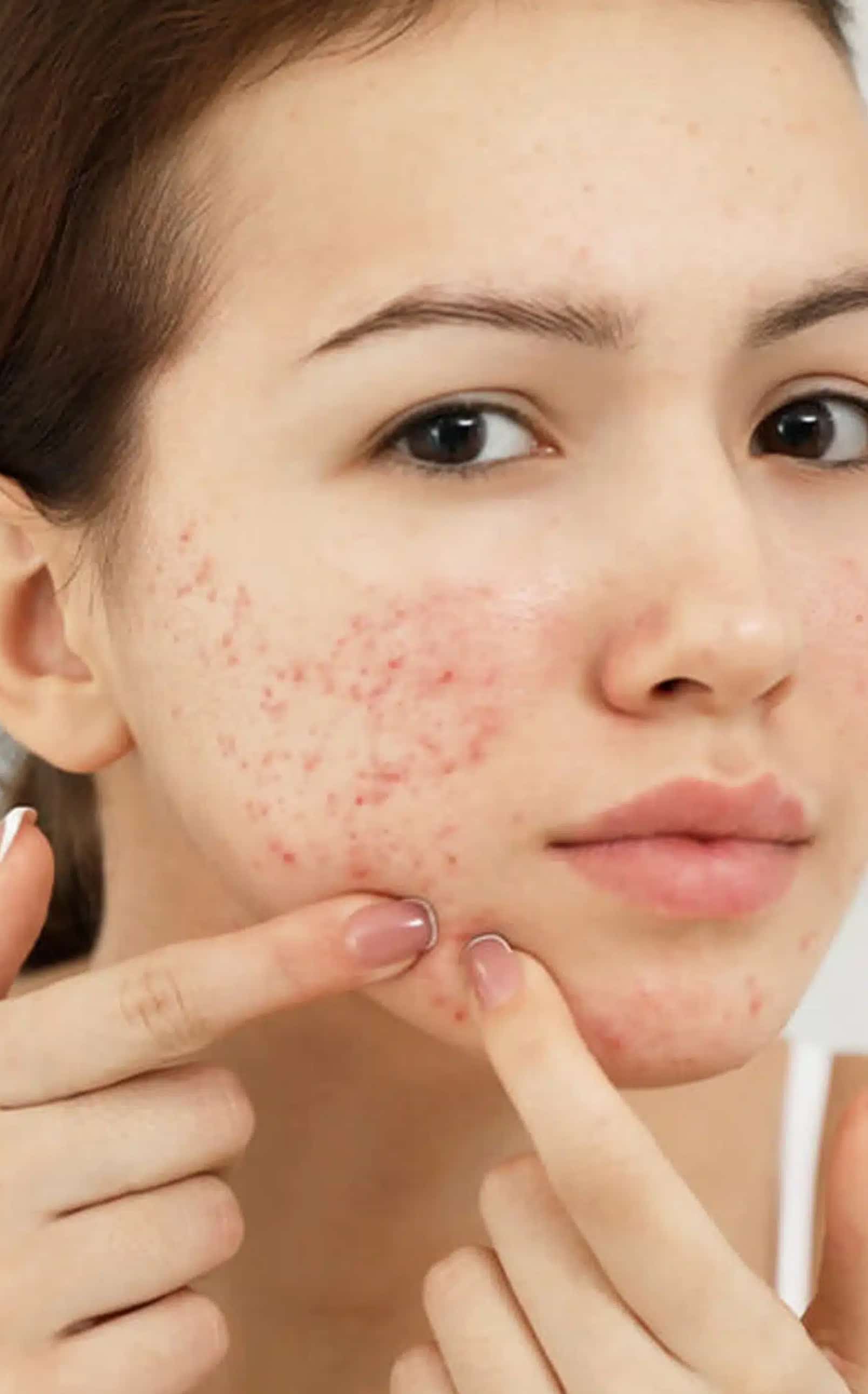
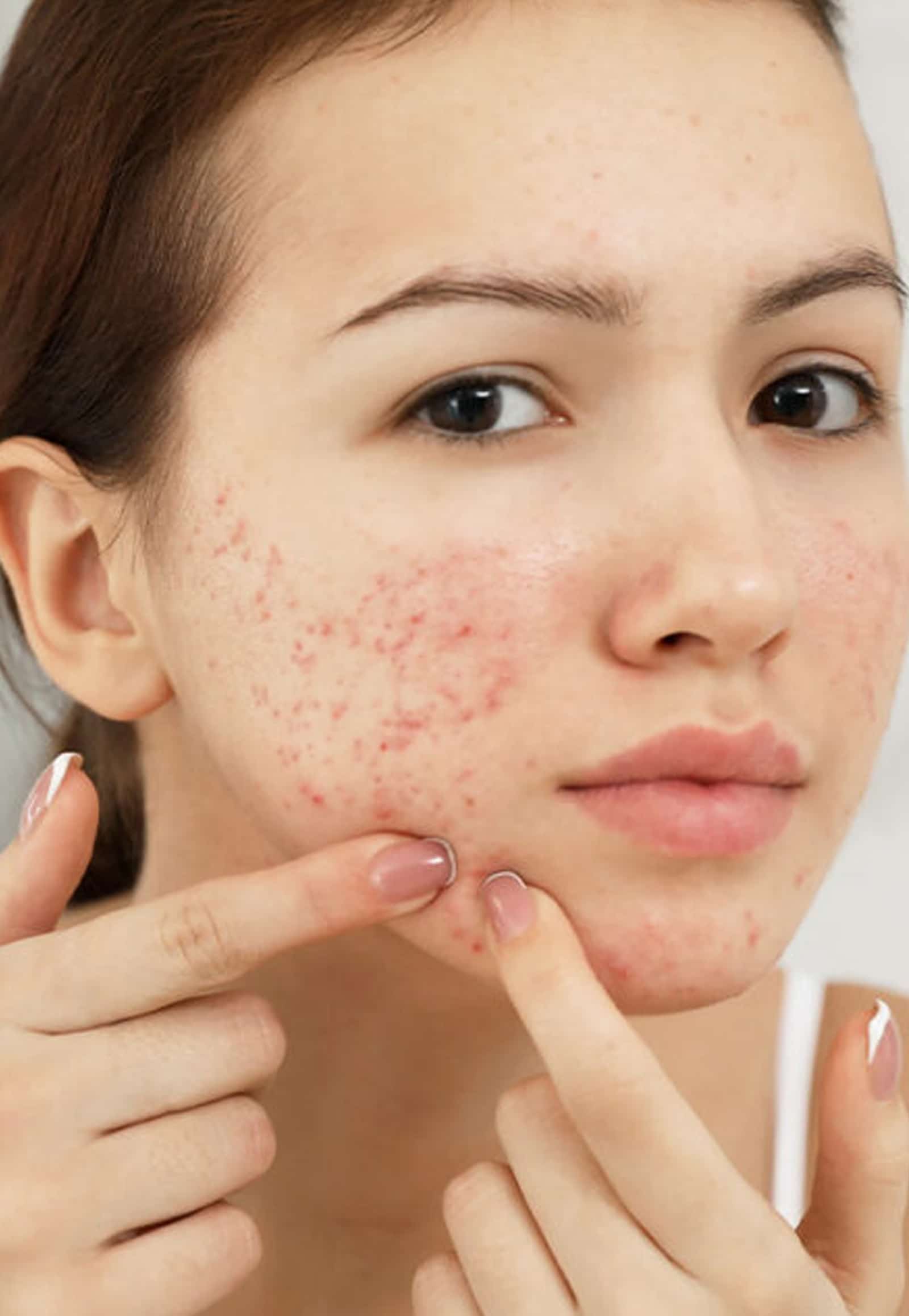
Acne scars are the result of an inflammatory healing process that disrupts the skin’s normal tissue regeneration cycle. When acne lesions penetrate deeply, they damage the dermal structure responsible for maintaining smoothness and elasticity.
During healing, the body attempts to repair this damage by producing collagen. However, this response is often imbalanced:
- Insufficient collagen leads to depressed (atrophic) scars
- Excess collagen leads to raised (hypertrophic) scars
- Pigment disruption leads to post-inflammatory discoloration
The severity of scarring depends on inflammation intensity, acne duration, genetic predisposition, and how quickly the skin was treated during active breakouts.
Understanding this biological process is essential for selecting the right acne scar treatment in NC, as each scar type requires a targeted clinical approach.
Clinical Classification of Acne Scars and Skin Damage Patterns
Accurate diagnosis of scar type is the foundation of successful treatment planning. Acne scars typically fall into three primary categories:
Depressed Atrophic Scarring (Most Common)
These scars form when collagen loss occurs beneath the skin surface.
- Ice pick scars: Deep, narrow indentations resembling puncture marks
- Boxcar scars: Wider depressions with defined edges and angular shape
- Rolling scars: Broad, undulating texture caused by fibrous tissue pulling the skin downward
Thickened or Raised Scarring
In some cases, the healing process produces excessive collagen.
- Hypertrophic scars: Raised but confined to original acne area
- Keloid scars: Overgrown scar tissue extending beyond original boundaries
Pigment-Based Residual Marks
Although not structural scars, these are commonly mistaken for scarring:
- Post-inflammatory hyperpigmentation (dark spots)
- Post-inflammatory erythema (red or pink marks)
Each condition responds differently to treatment, which is why professional evaluation is critical.
Why Topical Solutions Alone Cannot Correct Acne Scarring
While skincare products can improve hydration, brightness, and superficial pigmentation, they cannot restructure damaged dermal tissue.
Acne scars extend into deeper skin layers where collagen networks have been disrupted. Most topical agents do not penetrate far enough to stimulate meaningful structural repair. This is why professional acne scar treatment in NC focuses on procedures that:
- Stimulate collagen remodeling
- Break fibrotic scar tissue
- Resurface damaged skin layers
- Restore volume and structural integrity
Modern Dermatological Techniques for Acne Scar Revision
A wide range of clinical procedures is now available to treat acne scarring effectively. The best outcomes often come from combining multiple modalities.
Why Topical Solutions Alone Cannot Correct Acne Scarring
While skincare products can improve hydration, brightness, and superficial pigmentation, they cannot restructure damaged dermal tissue.
Acne scars extend into deeper skin layers where collagen networks have been disrupted. Most topical agents do not penetrate far enough to stimulate meaningful structural repair. This is why professional acne scar treatment in NC focuses on procedures that:
- Stimulate collagen remodeling
- Break fibrotic scar tissue
- Resurface damaged skin layers
- Restore volume and structural integrity
Modern Dermatological Techniques for Acne Scar Revision
A wide range of clinical procedures is now available to treat acne scarring effectively. The best outcomes often come from combining multiple modalities.
Collagen Induction Therapy Through Microneedling
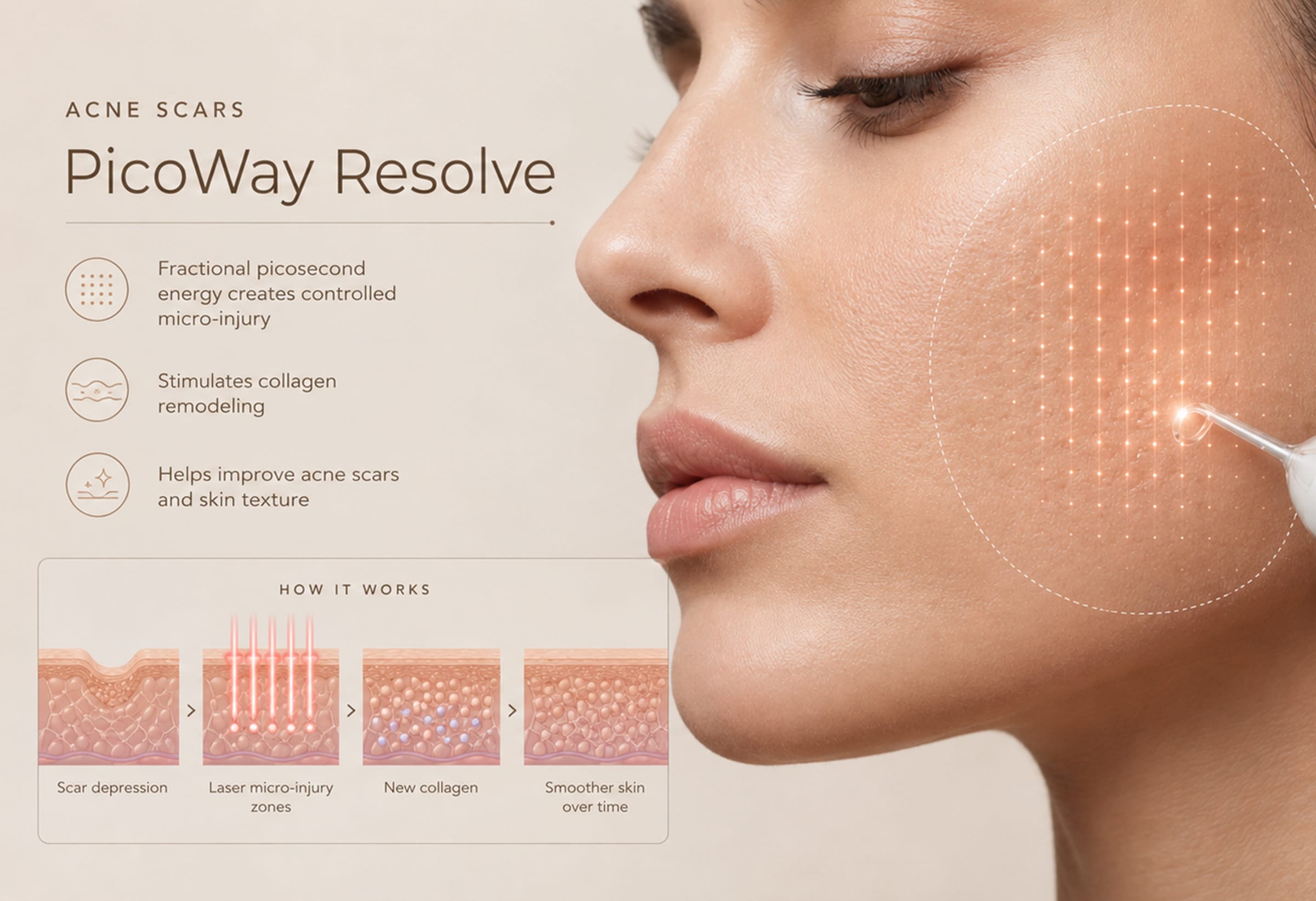
Microneedling is a foundational treatment in modern acne scar management. It uses controlled micro-injuries to activate the body’s natural wound-healing response. These microchannels trigger fibroblast activity, leading to increased collagen and elastin production over time.
Clinical Advantages:
- Improves overall skin texture and firmness
- Reduces mild to moderate atrophic scars
- Enhances skin regeneration naturally
- Minimal downtime with predictable recovery
Microneedling is especially effective for rolling scars and shallow boxcar scars, making it a cornerstone of acne scar treatment in NC protocols.
Advanced Laser Resurfacing for Structural Skin Renewal
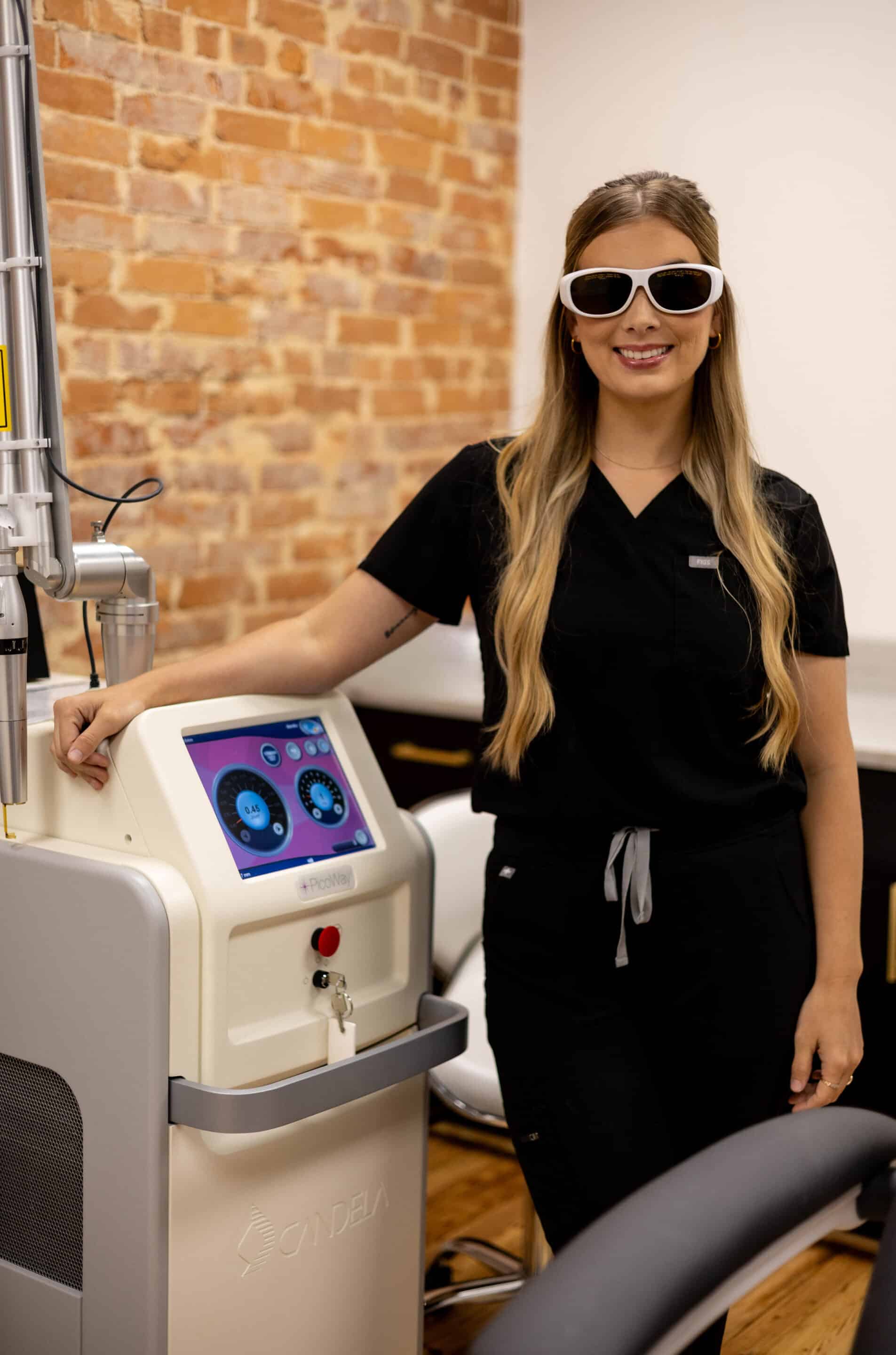
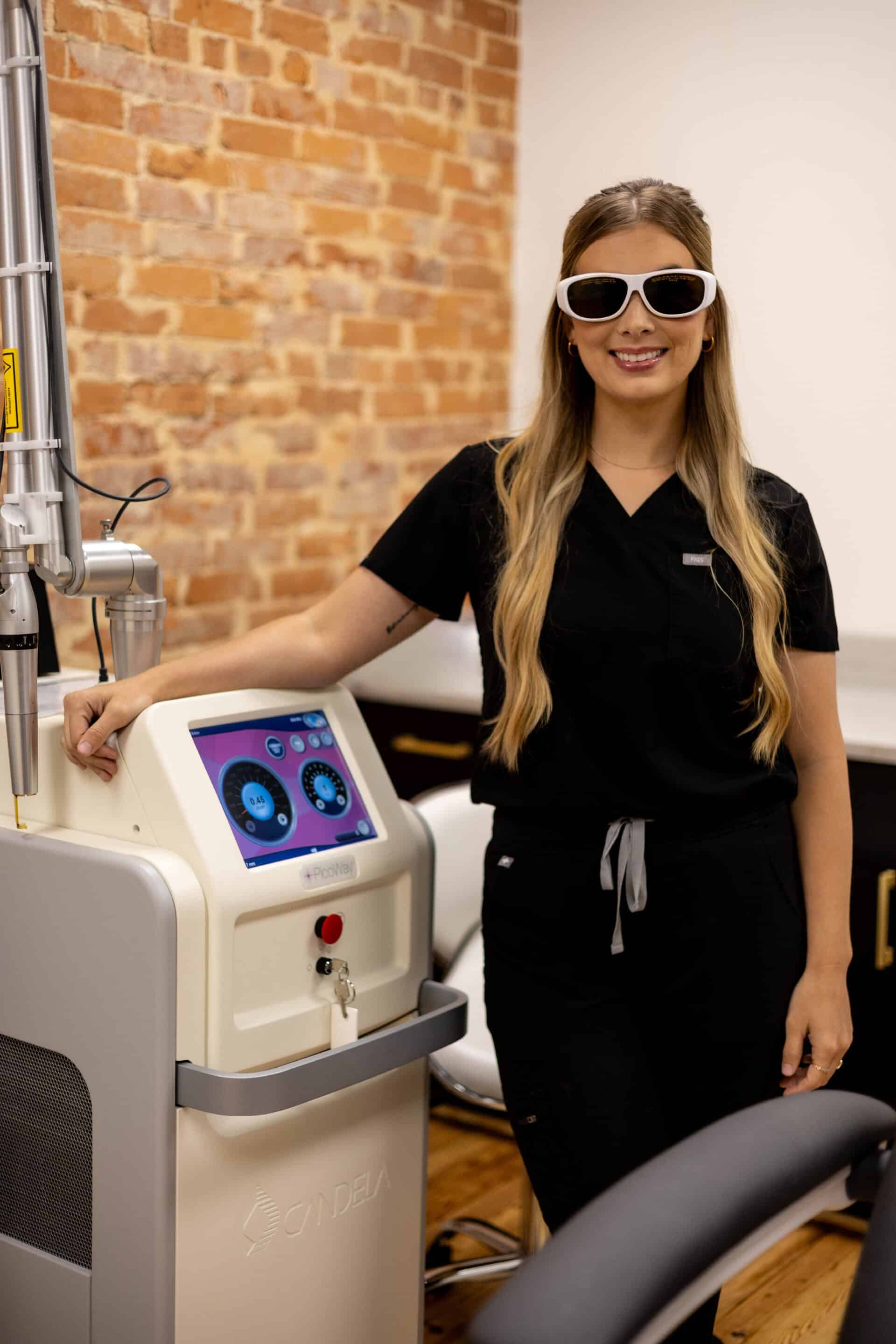
Laser technology is one of the most powerful tools in acne scar revision, offering controlled energy delivery to remodel damaged tissue.
Ablative Laser Systems
These lasers remove outer skin layers to allow new, smoother skin to form.
- Significant improvement in deep scarring
- Strong collagen remodeling effect
- Longer recovery period
Non-Ablative Laser Systems
These penetrate deeper layers without removing surface skin.
- Stimulate collagen gradually
- Shorter downtime
- Suitable for mild to moderate scarring
Key Outcomes:
- Improved skin smoothness and uniformity
- Reduction in visible texture irregularities
- Long-term structural skin enhancement
Laser resurfacing remains a leading option for advanced acne scar treatment in NC.
Medical-Grade Chemical Peels for Surface Refinement
Chemical peels use controlled exfoliation to remove damaged outer skin layers and promote regeneration.
Depending on severity, different peel strengths are used:
- Superficial peels for pigmentation and dullness
- Medium-depth peels for texture improvement
- Deep peels for more advanced resurfacing
Benefits include:
- Enhanced skin clarity and brightness
- Reduction in pigmentation irregularities
- Smoother epidermal surface
- Improved skin tone balance
Chemical peels are often integrated into combination therapy plans.
Dermal Filler Reconstruction for Depressed Scars
Dermal fillers provide structural support beneath atrophic scars, lifting them to match surrounding skin levels.
How it works:
A biocompatible filler is injected beneath the scar to restore lost volume and smooth surface depressions.
Clinical Benefits:
- Immediate visible improvement
- Minimally invasive procedure
- Customizable correction depth
- Can be combined with collagen-stimulating treatments
Fillers offer one of the fastest visible improvements in acne scar correction.
Medical-Grade Chemical Peels for Surface Refinement
Chemical peels use controlled exfoliation to remove damaged outer skin layers and promote regeneration.
Depending on severity, different peel strengths are used:
- Superficial peels for pigmentation and dullness
- Medium-depth peels for texture improvement
- Deep peels for more advanced resurfacing
Benefits include:
- Enhanced skin clarity and brightness
- Reduction in pigmentation irregularities
- Smoother epidermal surface
- Improved skin tone balance
Chemical peels are often integrated into combination therapy plans.
Dermal Filler Reconstruction for Depressed Scars
Dermal fillers provide structural support beneath atrophic scars, lifting them to match surrounding skin levels.
How it works:
A biocompatible filler is injected beneath the scar to restore lost volume and smooth surface depressions.
Clinical Benefits:
- Immediate visible improvement
- Minimally invasive procedure
- Customizable correction depth
- Can be combined with collagen-stimulating treatments
Fillers offer one of the fastest visible improvements in acne scar correction.
Integrated Treatment Planning: The Most Effective Strategy
In clinical practice, the most successful results are achieved through combination therapy rather than single-treatment approaches. Examples include:
- Microneedling combined with PRP for enhanced collagen stimulation
- Laser resurfacing paired with chemical peels for texture and tone correction
- This layered approach ensures that all aspects of scarring structural, textural, and pigmentation-related are addressed simultaneously.
Treatment Experience: What Patients Can Expect
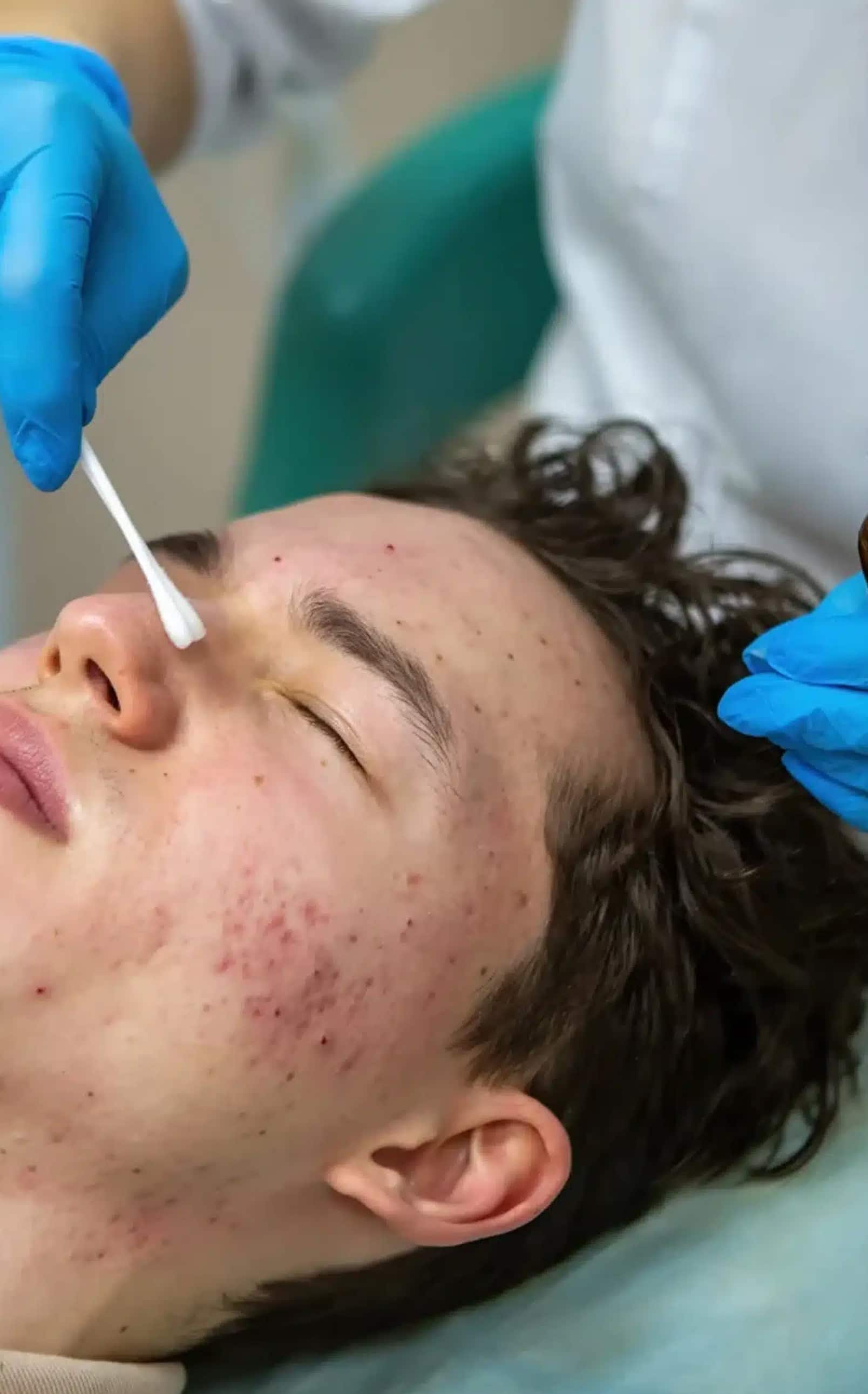
Professional acne scar treatment is typically performed in an outpatient clinical setting with controlled comfort measures.
Initial Assessment
- Detailed skin evaluation
- Scar classification and mapping
- Personalized treatment planning
Procedure Phase
- Topical anesthetic applied when needed
- Treatment duration varies based on technique
- Mild redness or swelling may occur temporarily
Recovery and Healing
- Gradual improvement over several weeks
- Continued collagen remodeling for months
- Minimal disruption to daily activities in most cases
Consistency across multiple sessions is often required for optimal results.
Final Perspective
Acne scars no longer need to be a permanent skin concern. With advancements in aesthetic dermatology, patients in North Carolina now have access to highly effective, science-backed treatments that restore smoothness, improve texture, and rebuild confidence.
From microneedling and laser resurfacing to filler and combination-based protocols, modern acne scar treatment in NC is highly personalized and results-driven. For those seeking expert-led care in Winston-Salem, Camel City Injector offers a comprehensive approach focused on precision, safety, and long-term skin transformation.
True skin improvement is not about masking imperfections it is about restoring structure, function, and confidence through advanced clinical care.
FAQs
What is the most effective treatment for acne scars in NC?
The most effective acne scar treatment depends on the scar type and severity. Common solutions include microneedling, laser resurfacing, chemical peels, and dermal fillers. Combination treatments often provide the best long-term results.
Can acne scars be permanently removed?
While acne scars may not disappear completely, advanced treatments can significantly reduce their appearance by improving skin texture, stimulating collagen, and smoothing uneven areas for long-lasting improvement.
How many sessions are needed for acne scar treatment?
Most patients require multiple sessions to achieve optimal results. Microneedling may need 3–6 treatments, while laser resurfacing and fillers vary based on scar depth and skin condition.
Does acne scar treatment hurt?
Most professional acne scar procedures involve minimal discomfort. Topical numbing creams are commonly used to improve comfort during treatments like microneedling and laser resurfacing.
Which acne scars respond best to treatment?
Rolling scars, shallow boxcar scars, and pigmentation-related marks often respond very well to modern treatments. Deep ice pick scars may require more advanced or combination-based procedures.