
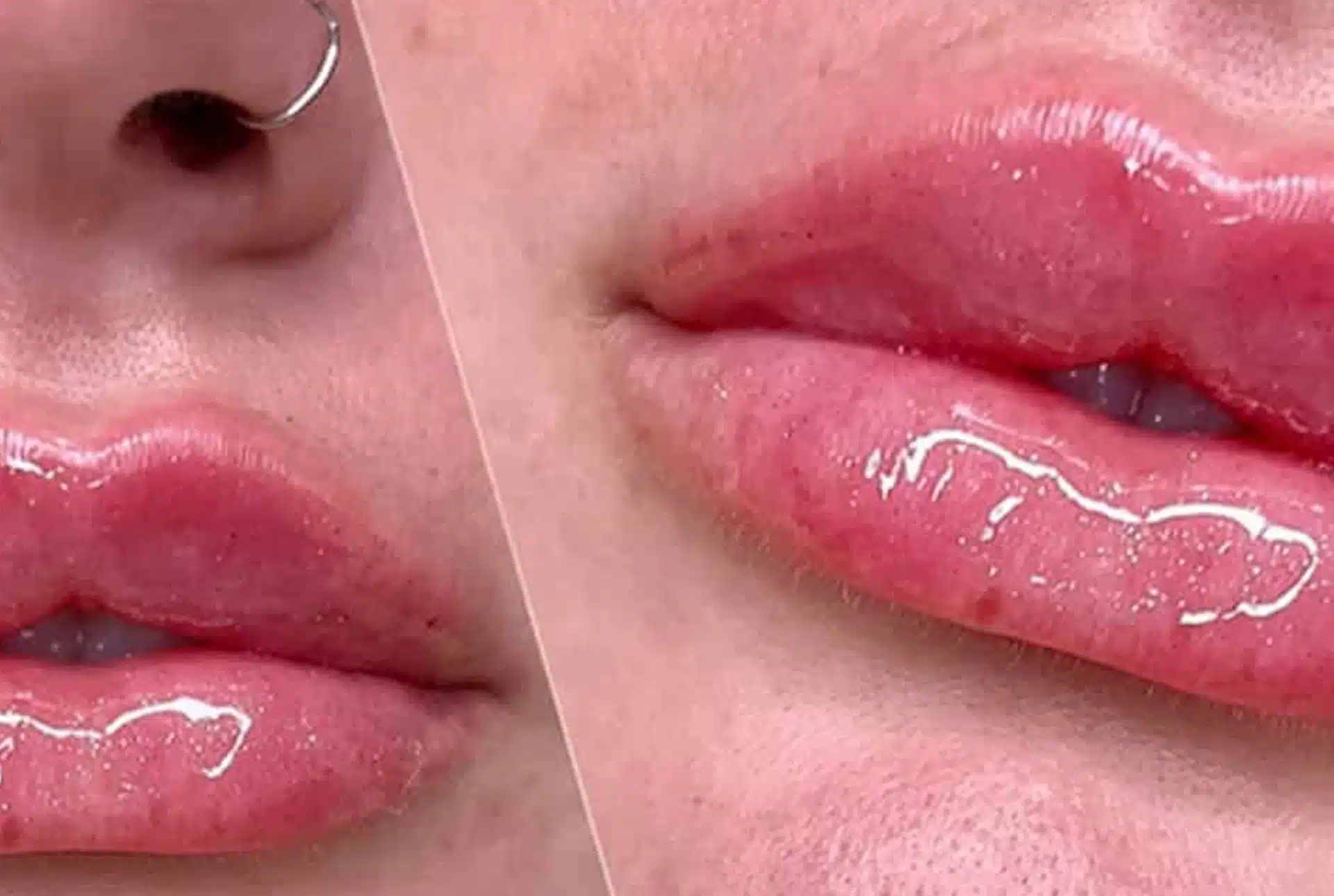
Aesthetically pleasing lip enhancements offer immediate gratification restoring youthful hydration, defining natural contours, and instilling profound daily confidence. Yet, digital platforms are increasingly saturated with cautionary accounts of a widespread clinical and aesthetic misstep: lip filler migration. Manifesting as an unnatural shelf-like protrusion above the upper lip, an indistinct vermilion border, or exaggerated “duck lips,” migration transforms an otherwise harmonious pout into a source of frustration. Preventing this complication requires far more than premium product selection; it demands advanced anatomical mastery, precision injection techniques, and an uncompromising commitment to structural integrity.
This exact standard of excellence draws clients throughout North Carolina to Camel City Injector, proudly serving the community in King, NC. Recognized for structural precision and hyper-natural outcomes, Camel City Injector has established itself as the definitive authority for refined, secure, and migration-free lip transformations. This comprehensive analysis examines the etiology of lip filler migration, effective prevention strategies, and why selecting a master injector in King, NC is critical for your aesthetic journey.
Defining Lip Filler Migration
Understanding migration requires examining the behavior of contemporary dermal fillers. The vast majority of modern lip augmentations utilize hyaluronic acid (HA), a naturally occurring polysaccharide within human tissue that binds moisture to provide structural turgor and hydration. When administered correctly, HA filler integrates harmoniously into the targeted mucosal and muscular planes of the lip, remaining localized within the designated treatment zone. Lip filler migration occurs when product displaces from its intended architecture into adjacent perioral tissues most frequently tracking superiorly into the cutaneous lip (the white skin above the upper lip). Rather than preserving a crisp, distinct transition zone, displaced product creates unwanted shadowing, ridge formations, or distorted anatomical lines.
Primary Clinical Indicators of Migration:
- The “Filler Mustache”: A distinct shelf, ridge, or fluid accumulation situated directly superior to the upper lip vermilion border.
- Obfuscated Borders: Loss of definition along the junction separating the lips from the cutaneous skin, leading to lipstick bleeding.
- Dissonant Proportions: Heavy, stiff, or anteriorly displaced lips that disrupt facial harmony.
- Palpable Nodules: Localized, immobile fibrotic or gel deposits perceptible beneath the skin outside the vermilion margin.
Etiology: Why Lip Fillers Migrate
Filler displacement is rarely an arbitrary occurrence; it stems from specific biomechanical, anatomical, or technical variables. Evaluating these root causes underscores the necessity of clinical expertise:
1. Over-Saturation and Hyper-Volumization
The lips possess finite anatomical capacity. Introducing excessive volume either during a single session or via premature touch-ups before prior product has fully integrated generates substantial internal tissue pressure. Displaced by this force, excess gel follows paths of least resistance, breaching the anatomical border.
2. Compromised Injection Technique and Depth
Superficial product placement (depositing filler immediately beneath the epidermal layer) or targeting incorrect tissue planes deprives the product of necessary muscular anchorage. Precise depth is vital to ensure filler remains securely contained within the submucosal and orbicularis oris muscle layers.
3. Anatomical Constraints
Individual anatomy varies widely. Patients with naturally thin vermilion presentation, high muscle tone, or restricted vertical lip height possess limited structural containment. Disregarding these anatomical parameters to pursue exaggerated, trend-driven volumes exponentially elevates migration risks.
4. Rheological Inappropriateness
Hyaluronic acid formulations vary significantly in stiffness, elasticity, and cohesion. Utilizing a high-viscosity, structural gel designed for deep structural augmentation (such as jawline contouring) within delicate mucosal tissue inevitably leads to stiffness and displacement under dynamic movement.
The Camel City Injector Methodology: Prevention Over Correction
At Camel City Injector in King, NC, clinical intervention begins well before product administration. Our practice model rejects standardized, high-volume trends in favor of structural architecture and anatomical preservation. This meticulous methodology safeguards against migration while producing authentically natural enhancements:
Strategic Product Selection
We utilize exclusively premium, FDA-approved hyaluronic acid fillers engineered with rheological properties tailored specifically for dynamic perioral tissue. Matching the elasticity and cohesion of the gel to individual tissue composition guarantees seamless biological integration.
Conservative, Progressive Augmentation
Optimal lip architecture cannot be rushed in a single appointment. For significant volume expansion, we advocate for a phased, progressive treatment timeline. Staging enhancements across multiple appointments allows dermal and muscular tissues to adapt structurally without compromising integrity.
Architectural Micro-Mapping
Our clinical team approaches every procedure with advanced medical precision and a refined aesthetic eye. We focus on rigorous architectural detailing:
- Defining the Vermilion Border: Establishing a crisp, clean contour that captures natural light without transgressing anatomical boundaries.
- Sculpting the Cupid’s Bow: Enhancing upper lip tubercles with subtle, balanced precision.
- Sub-Mucosal Hydration: Restoring youthful resilience and ameliorating fine vertical rhytides without inducing excessive bulk.

Corrective Pathways: Managing Existing Migration
For individuals presenting with migration resulting from prior treatments elsewhere, corrective options exist. Because cross-linked hyaluronic acid is fully bio-compatible and reversible, structural distortions can be successfully resolved. The clinical gold standard for managing migrated HA filler is hyaluronidase administration.
- Enzymatic Degradation: Expertly administered hyaluronidase targets and breaks down displaced HA gel within 24 to 48 hours without compromising endogenous tissue.
- The Re-Establishment of Baselines: Enzymatic dissolution resets the treatment area, eliminating previous structural anomalies and establishing a pristine foundation for a balanced re-enhancement.
A consultation at Camel City Injector includes a comprehensive structural evaluation, review of previous treatment history, and development of a corrective strategy tailored to restore anatomical harmony.
The Camel City Injector Standard: Clinical Excellence in King, NC
Selecting an aesthetic provider is a critical decision that balances clinical science with artistic execution. Clients throughout North Carolina select Camel City Injector in King, NC, for an environment where safety, precision, and luxury intersect:
- Board-Certified Clinical Leadership: Procedures are executed by highly trained medical professionals who prioritize advanced anatomical safety protocols.
- Patient Comfort Protocols: Implementation of medical-grade topical anesthesia and gentle micro-cannula techniques ensures a comfortable, controlled procedure.
- Ethical Guidance: We strictly adhere to anatomical limitations, declining unnecessary volume expansion and guiding patients toward sustainable, long-term aesthetic health.
Schedule Your Consultation
Navigating aesthetic enhancements requires professional precision, not guesswork. Whether pursuing an initial subtle augmentation, restoring lost perioral hydration, or seeking corrective solutions for previous migration, Camel City Injector provides expert care. Experience the benchmark of advanced aesthetic medicine in King, NC.
Frequently Asked Questions
1: What causes lip filler to migrate above the lip line?
Migration typically occurs due to over-saturation of volume, incorrect injection depth, or using a high-viscosity product unsuited for flexible perioral tissue. When too much product is placed or injected too superficially, internal pressure causes the gel to track upward past the vermilion border.
2: Can lip filler migration be corrected or reversed?
Yes. Because modern lip fillers are composed of hyaluronic acid, they can be safely dissolved using an enzyme called hyaluronidase. This breaks down the displaced product within 24 to 48 hours, clearing the way for a fresh, anatomically correct re-enhancement.
3: How does Camel City Injector prevent migration during a first-time treatment?
We prioritize structural integrity and conservative, progressive augmentation. By matching the rheological properties of the filler to your specific tissue type, mapping precise micro-injections, and avoiding over-filling, we ensure the product remains securely within the natural lip architecture.
4: How long should I wait between lip filler touch-ups to avoid over-saturation?
To give your skin and muscle tissue adequate time to adapt and hold the product naturally, you should generally wait until the previous filler has fully integrated and settled typically several months to a year before considering additional volume.
5: Is the lip dissolving process painful?
No. Before administering hyaluronidase to correct previous migration, clinical-grade topical anesthetics are applied to ensure the quick, targeted injection process remains comfortable and virtually painless.