
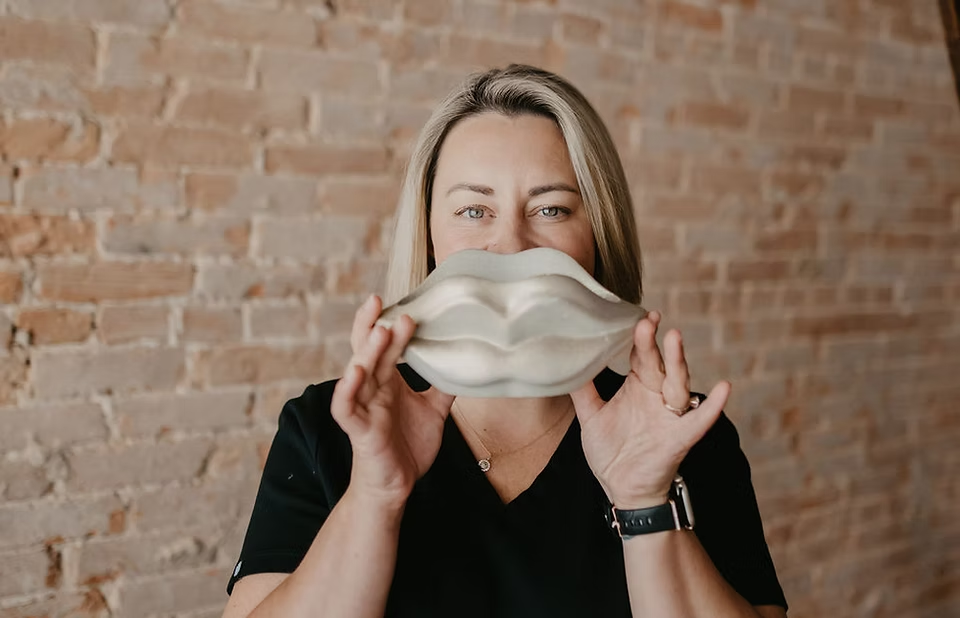
Lip fillers have become one of the most popular cosmetic treatments for enhancing lip shape, restoring lost volume, and creating a more youthful appearance. Whether you are looking for subtle enhancement or fuller, more defined lips, modern lip filler treatments can deliver beautiful and natural-looking results with minimal downtime.
However, achieving the perfect pout does not end once the injections are complete. The healing process that follows is equally important. Understanding what not to do after lip fillers can help minimize swelling, reduce bruising, prevent complications, and ensure your results heal evenly. At Camel City Injector, patients receive customized aesthetic treatments focused on natural beauty, facial harmony, and patient safety. This comprehensive guide covers everything you need to know about post-lip filler care, including what activities, products, and habits you should avoid for the best possible results.
Why Proper Lip Filler Aftercare Matters
Lip fillers are typically made with hyaluronic acid, a naturally occurring substance that helps retain moisture and add volume beneath the skin. Although the procedure is non-surgical, your lips still experience minor trauma during injections and need time to recover. The lips are one of the most delicate and vascular areas of the face, which means temporary swelling, tenderness, and bruising are common after treatment. Following professional aftercare instructions allows the filler to settle correctly while supporting the body’s natural healing process.
Proper aftercare can help:
- Minimize swelling and inflammation
- Prevent unnecessary bruising
- Reduce irritation and sensitivity
- Support smooth and even filler placement
- Improve treatment longevity
- Lower the risk of complications
- Enhance overall comfort during recovery
Many patients underestimate how important the first 24 to 72 hours are after lip filler treatment. During this time, even small mistakes can impact the healing process and affect your final appearance.
Keep Your Hands Away From Your Lips
One of the biggest mistakes patients make after lip fillers is touching the lips too frequently. It is completely normal to check your lips in the mirror or feel mild firmness after injections, but excessive touching can irritate the area and interfere with healing. Avoid:
- Pressing or squeezing the lips
- Constantly checking for swelling
- Massaging the lips without instruction
- Picking at dry skin
- Aggressive kissing or puckering motions
Freshly injected filler needs time to integrate naturally into the tissue. Too much pressure immediately after treatment can potentially affect the final shape and symmetry of your lips. If your injector recommends massage for a specific reason, follow their exact instructions carefully rather than attempting self-correction.
Skip Intense Workouts for the First Couple of Days
Exercise increases blood circulation and body temperature, which may worsen swelling and bruising after lip fillers. While light walking is usually acceptable, intense workouts should be avoided temporarily. Activities to avoid include:
- Heavy weightlifting
- Running
- Cycling
- HIIT workouts
- Hot yoga
- Cardio-intensive training
Strenuous exercise may also increase discomfort and prolong inflammation around the lips. Giving your body time to rest allows the healing process to progress more smoothly. Most injectors recommend avoiding intense physical activity for at least 24 to 48 hours following treatment.
Avoid Alcohol and Excessive Caffeine
Alcohol acts as a blood thinner, which may increase bruising and swelling after injections. Caffeine can also contribute to dehydration and may worsen sensitivity in some patients. For optimal recovery, avoid:
- Wine
- Beer
- Cocktails
- Liquor
- Excessive coffee or energy drinks
Instead, focus on hydration by drinking plenty of water throughout the day. Hydrated skin often heals more effectively, and hyaluronic acid fillers naturally attract water to maintain soft, plump lips.
Stay Away From Heat and Sun Exposure
Excessive heat is one of the most common reasons for prolonged swelling after lip fillers, as high temperatures can increase inflammation and make the lips feel more sensitive during recovery. Following your treatment, it is important to avoid activities and environments that expose your body to excessive heat, including saunas, steam rooms, hot tubs, very hot showers, tanning beds, and prolonged direct sunlight. Heat can intensify swelling and discomfort, which may delay the healing process and affect how the filler settles. Protecting your skin from heat and UV exposure can help reduce irritation and support a smoother recovery. If you spend time outdoors, applying sunscreen around the mouth area once the skin has properly healed can also help protect your results and maintain healthy skin.
Smoking Can Interfere With Healing
Smoking and vaping can negatively affect blood circulation and slow the healing process after cosmetic injections. The repetitive puckering motion used while smoking may also place pressure on the treated area. Smoking after lip fillers may:
- Increase irritation
- Cause dryness
- Delay healing
- Raise infection risk
- Affect filler longevity
Avoiding smoking for at least 24 to 48 hours is strongly encouraged. Patients who minimize smoking long-term may also notice better filler retention over time.
Avoid Applying Makeup Too Soon
After injections, small entry points remain temporarily open on the skin. Applying makeup immediately after treatment may expose the area to bacteria and increase the risk of irritation. Avoid using:
- Lipstick
- Lip liner
- Lip gloss
- Heavy concealer around the lips
Most providers recommend waiting at least 24 hours before applying cosmetic products directly to the treated area. If bruising occurs, your injector may recommend safe methods to help conceal discoloration after the initial healing period.
Sleep Position Matters More Than You Think
Many patients do not realize that sleeping position can influence swelling and filler placement during the first few nights after treatment. Sleeping face-down may place pressure on the lips and increase inflammation. For best results:
- Sleep on your back
- Keep your head elevated
- Use an extra pillow for support
- Avoid sleeping on your stomach
Elevating the head can help fluid drain properly and reduce morning puffiness.
Be Careful With Medications and Supplements
Certain medications and supplements can increase the likelihood of bruising after lip filler injections because they may affect blood clotting and circulation. Common examples include aspirin, ibuprofen, fish oil, vitamin E, garlic supplements, ginseng, and certain herbal products. These substances can thin the blood, making the treated area more prone to swelling and discoloration during the healing process.
Before your appointment, it is important to inform your injector about any medications, vitamins, or supplements you are currently taking so they can provide appropriate guidance. However, you should never stop taking prescribed medications without first consulting your healthcare provider or physician.
Delay Dental Appointments and Facial Treatments
Dental procedures often involve stretching the lips and surrounding tissue, which can irritate freshly injected filler. Similarly, certain cosmetic treatments may place pressure on sensitive areas during healing. Avoid temporarily:
- Dental cleanings
- Fillings or oral surgery
- Facial massages
- Chemical peels
- Microneedling
- Laser treatments
- Aggressive facials
Most professionals recommend waiting approximately two weeks before scheduling extensive dental or facial procedures.
Foods and Drinks to Avoid After Lip Fillers
Although there are no strict dietary restrictions after lip fillers, some foods may increase irritation or discomfort during healing. It may help to avoid:
- Extremely salty foods
- Spicy meals
- Very hot drinks
- Messy foods requiring excessive lip movement
Choosing softer foods during the first day can make eating more comfortable while swelling is present. Examples include:
- Smoothies
- Yogurt
- Soup
- Pasta
- Soft fruits
Drinking water consistently throughout recovery can also support healthy healing.
Understanding Normal Lip Filler Side Effects
Mild swelling and tenderness are expected after lip filler treatment. Some patients may also experience bruising or temporary unevenness while the filler settles. Common temporary side effects include:
- Swelling
- Redness
- Mild bruising
- Tenderness
- Firmness
- Sensitivity
These symptoms usually improve significantly within several days. However, you should contact your injector immediately if you notice:
- Severe pain
- Excessive swelling
- Skin discoloration
- Fever
- White patches
- Signs of infection
Choosing an experienced injector is one of the best ways to minimize the risk of complications and achieve safe, natural-looking results.
How Long Does Lip Filler Recovery Take?
Every patient heals differently, but most swelling improves noticeably within 3 to 5 days. Final results typically become visible after one to two weeks once the filler has fully settled. Recovery time depends on several factors, including:
- Individual healing response
- Injection technique
- Amount of filler used
- Lifestyle habits
- Aftercare quality
At Camel City Injector, every treatment plan is tailored to the patient’s goals, comfort, and facial anatomy for balanced and elegant results.
Helpful Tips for Faster Healing and Better Results
In addition to avoiding certain activities, these healthy aftercare habits can help improve comfort and recovery.
1: Apply Cold Compresses Carefully
A gentle cold compress can help minimize swelling and soothe tenderness. Avoid pressing ice directly onto the lips.
2: Stay Hydrated Throughout Recovery
Hydration helps support healthy skin function and allows hyaluronic acid fillers to maintain softness and volume more effectively.
3: Use Gentle Lip Care Products
Choose fragrance-free and non-irritating lip balms recommended by your injector to keep the lips moisturized.
4: Follow Your Injector’s Instructions Closely
Every patient has unique anatomy and healing patterns. Personalized aftercare guidance should always take priority.
How Long Do Lip Fillers Last?
Most hyaluronic acid lip fillers last between 6 and 12 months, depending on the product used and individual lifestyle factors. Factors influencing longevity include:
- Metabolism
- Smoking habits
- Product type
- Sun exposure
- Injection technique
- Skincare routine
Regular maintenance appointments can help preserve volume and definition over time.
Choosing the Right Lip Filler Provider
Natural-looking lip enhancement requires both artistic skill and medical expertise. Selecting a qualified injector is one of the most important decisions you can make. When researching providers, look for:
- Professional experience
- Natural-looking results
- Strong patient reviews
- Personalized consultations
- Safety-focused treatment plans
Camel City Injector specializes in customized aesthetic treatments designed to enhance your natural features with precision and care.
Why Lip Fillers Continue to Grow in Popularity
Lip fillers remain one of the leading cosmetic treatments because they provide:
- Immediate visible improvement
- Minimal downtime
- Non-surgical enhancement
- Customizable results
- Improved lip balance and symmetry
- Increased confidence
Modern injection techniques now focus heavily on subtle enhancement and facial harmony rather than exaggerated volume.
Natural-Looking Lip Fillers Are the Goal
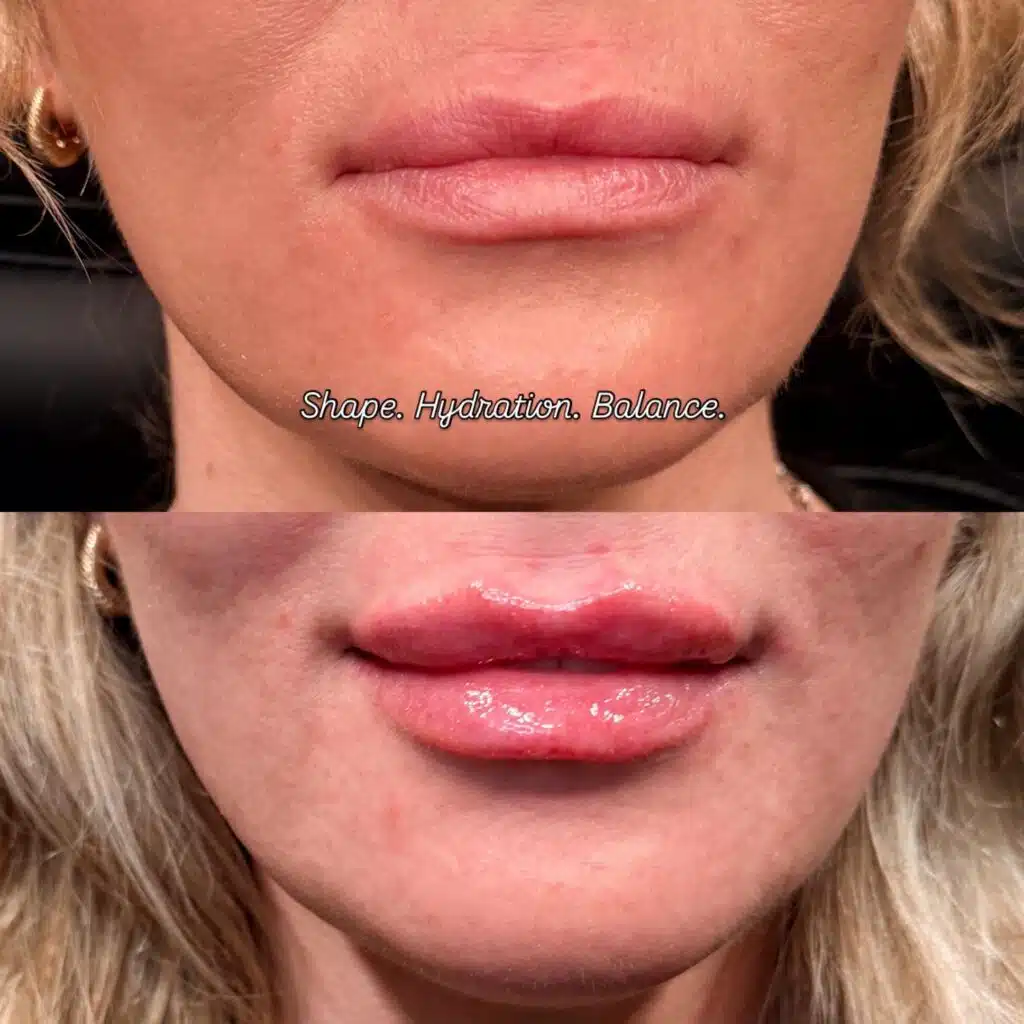
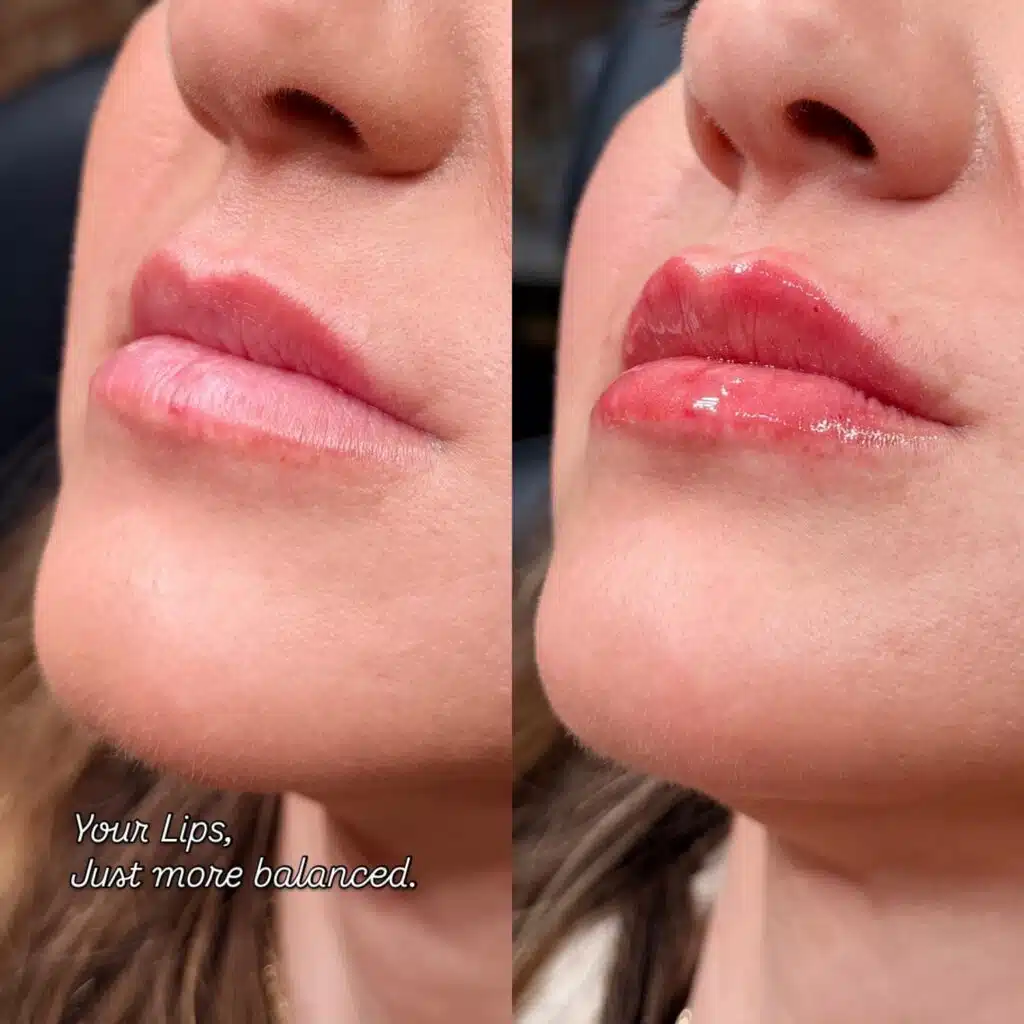
Today’s patients often want refreshed, hydrated, and balanced lips rather than an overfilled appearance. Experienced injectors understand how to create enhancement that complements the rest of the face naturally. Natural-looking lip fillers are achieved through:
- Conservative product placement
- Careful lip proportioning
- Customized treatment planning
- Gradual volume enhancement
At Camel City Injector, treatments are carefully designed around each patient’s facial structure and aesthetic goals.
Frequently Asked Questions
1: Can I kiss after lip fillers?
It is best to avoid excessive pressure or aggressive kissing for at least 24 to 48 hours after treatment.
2: Is swelling after lip fillers normal?
Yes. Mild to moderate swelling is extremely common and typically improves within several days.
3: Can I drink through a straw after lip fillers?
Using a straw creates repetitive puckering movements, which may irritate freshly treated lips during the first day or two.
4: When can I wear lipstick again?
Most patients can resume using lip products after 24 hours if healing is progressing normally.
5: How soon will I see final results?
Although volume is visible immediately, final results generally appear after swelling resolves within one to two weeks.
Final Thoughts
Knowing what to avoid after lip fillers is essential for achieving beautiful, smooth, and long-lasting results. Simple precautions like avoiding heat, alcohol, smoking, strenuous workouts, and excessive pressure on the lips can significantly improve the healing process.
Lip fillers are a highly effective way to enhance facial aesthetics when performed by an experienced professional and supported by proper aftercare. At Camel City Injector, patients receive personalized cosmetic care focused on safety, comfort, and natural-looking enhancement. If you are considering lip fillers or want expert guidance about aftercare and recovery, scheduling a consultation with a qualified injector can help you feel informed and confident throughout your aesthetic journey.