
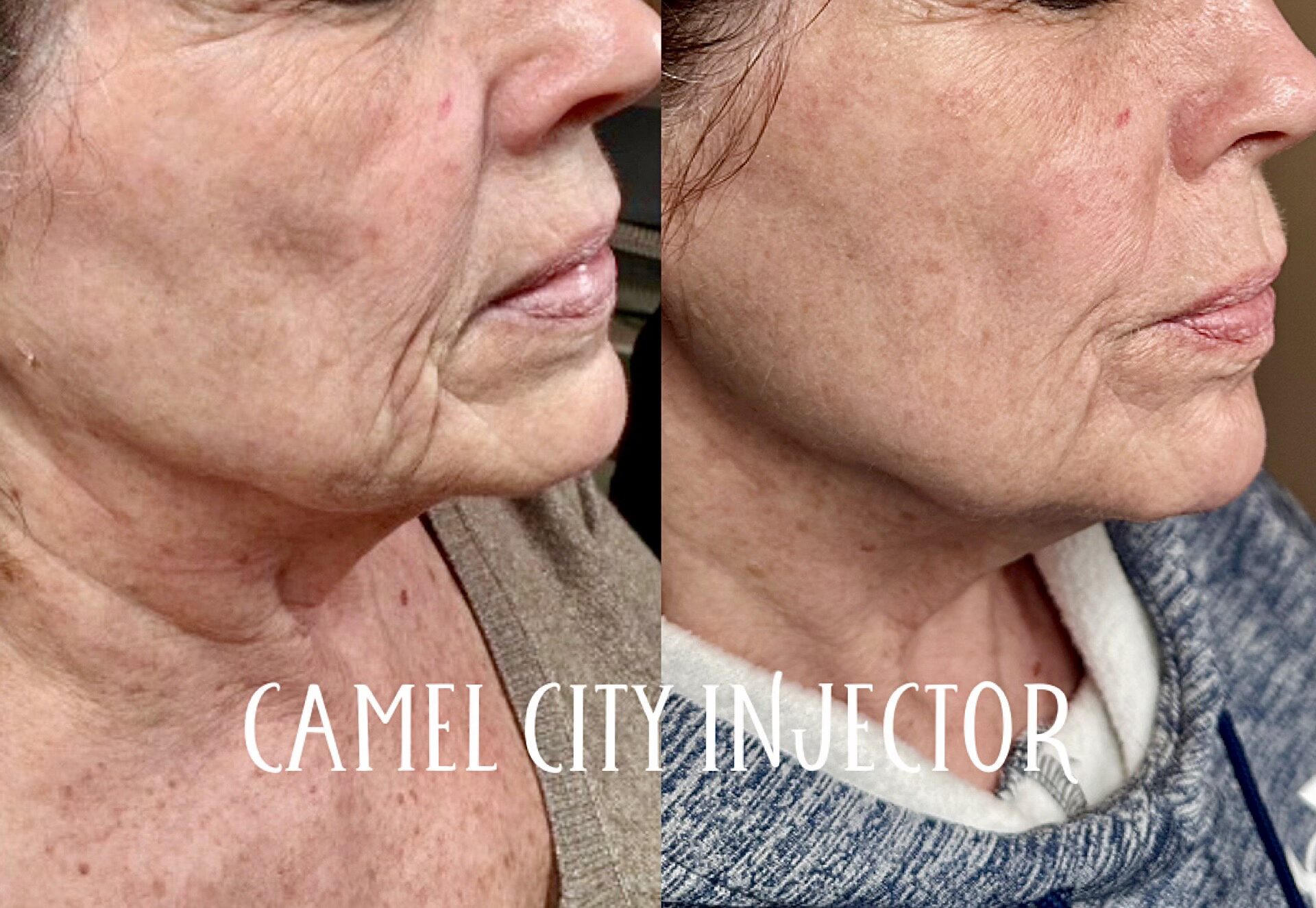
Radiofrequency (RF) microneedling has become one of the most advanced non-surgical skin rejuvenation treatments in aesthetic dermatology. It combines precision microneedling with controlled radiofrequency energy to stimulate collagen, tighten skin, and improve texture with minimal downtime. At Camel City Injector, this treatment is often used for patients who want noticeable skin improvement without surgery or more aggressive laser resurfacing.
However, a key concern remains among patients of all backgrounds: Is RF microneedling truly safe for all skin types?
The answer is encouraging but not absolute. RF microneedling is considered highly versatile and generally safe across most skin tones, yet its safety depends on proper customization, medical screening, and professional execution. This article provides a deeper clinical and practical understanding of how RF microneedling interacts with different skin types and what determines its real-world safety.
Understanding the Science Behind RF Microneedling
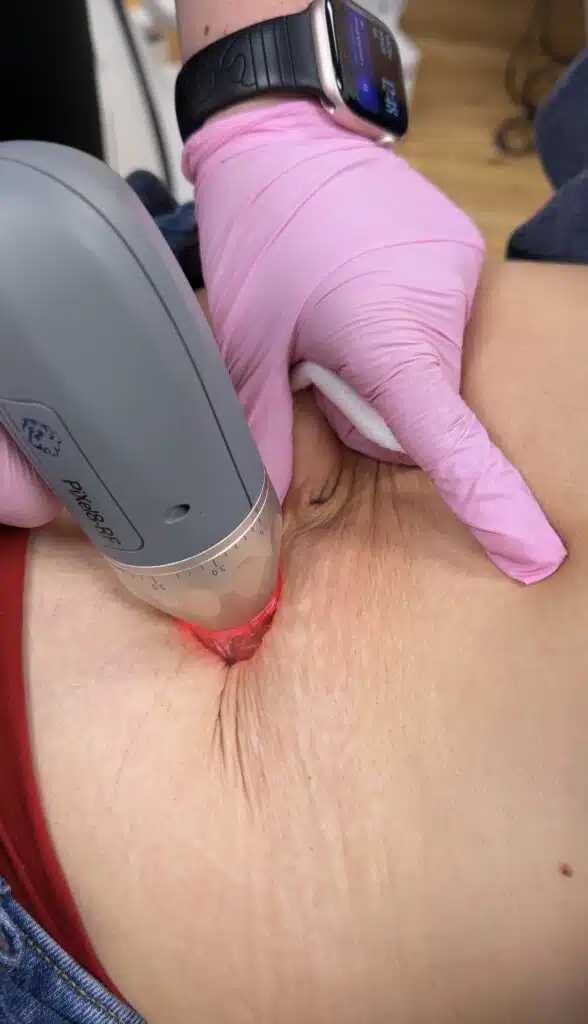
RF microneedling works through a dual-action mechanism that targets both superficial and deep skin layers:
- Microneedles create controlled microchannels in the skin
- Radiofrequency energy is delivered through these channels into the dermis
This process triggers a controlled wound-healing response, stimulating:
- Collagen production
- Elastin remodeling
- Tissue tightening
- Skin regeneration
Unlike many laser systems, RF energy does not rely heavily on melanin absorption. This reduces pigment-related risks and makes the treatment more adaptable across different skin tones.
Why RF Microneedling Is Considered a Skin-Type Versatile Treatment
One of the biggest advantages of RF microneedling is its ability to bypass the epidermis and deliver energy directly into the dermis. This matters because:
- Melanin is primarily located in the epidermis
- Laser-based systems can unintentionally target melanin, increasing pigmentation risks
- RF energy is less dependent on skin color and more focused on tissue depth
Because of this design, RF microneedling is often preferred for patients with medium to deep skin tones who may not tolerate aggressive laser resurfacing well. Clinical literature also supports its favorable safety profile, showing low rates of long-term pigment complications when performed correctly.
Safety Across Different Skin Complexions
Skin response to RF microneedling can vary based on the Fitzpatrick scale, which categorizes skin from very light (Type I) to very deep (Type VI).
Very Fair to Light Skin (Types I–III)
Patients in this category generally experience:
- Minimal risk of pigmentation changes
- Predictable healing response
- Temporary redness and mild swelling as the primary side effects
Because melanin activity is lower, these skin types are typically the most forgiving in terms of post-treatment inflammation However, over-aggressive treatment can still cause:
- Prolonged redness
- Irritation
- Sensitivity if skin barriers are compromised
Medium Skin Tones (Types III–IV)
This group represents a large portion of patients seeking RF microneedling. Common considerations include:
- Slightly higher risk of temporary pigmentation changes
- Increased sensitivity to post-inflammatory responses
- Need for balanced energy settings
With proper technique, outcomes are usually excellent and highly consistent. A well-controlled protocol significantly reduces the risk of complications while maximizing collagen stimulation.
Deep Skin Tones (Types IV–VI)
RF microneedling is often considered one of the safer advanced skin treatments for deeper skin tones, especially compared to ablative or pigment-targeting lasers. However, this group requires the highest level of precision.
Key safety considerations include:
- Lower energy settings to minimize inflammation
- Controlled depth adjustment to avoid overheating tissue
- Strong emphasis on post-treatment pigment prevention
- Gentle treatment intervals to support recovery
When properly performed, RF microneedling can deliver significant improvement in:
- Acne scars
- Skin laxity
- Uneven texture
without long-term pigmentation damage. At experienced clinics like Camel City Injector, protocols are specifically adjusted to reduce inflammatory risk in melanin-rich skin.

Factors That Influence Safety Beyond Skin Type
Skin tone is only one part of the safety equation. In clinical practice, multiple additional variables determine outcomes.
1. Device Technology and Calibration
Not all RF microneedling devices are equal. Advanced systems allow:
- Adjustable energy delivery
- Precise depth control
- Insulated needle technology for safer heat distribution
2. Treatment Customization
A standardized approach does not work for RF microneedling. Safe outcomes require:
- Personalized energy settings
- Depth adjustments based on skin thickness
- Area-specific treatment planning
3. Skin Condition at Time of Treatment
Active inflammation significantly increases risk. Treatments should be postponed if:
- Acne is flaring
- Skin is irritated or broken
- Infection is present
4. Provider Experience
Perhaps the most important factor. Skilled injectors understand:
- How much energy skin can safely tolerate
- How to avoid thermal injury
- How to reduce pigment stimulation in sensitive skin types
Who Should Be Cautious Before Treatment?
While RF microneedling is widely suitable, it is not universally appropriate. Extra caution or medical clearance is required for individuals with:
- Active skin infections or cold sores
- History of keloid or hypertrophic scarring
- Autoimmune skin conditions (in some cases)
- Pregnancy or breastfeeding
- Implanted electronic devices such as pacemakers
- Poorly controlled chronic illnesses
In some cases, treatment is still possible—but only after professional evaluation.
Possible Side Effects and Clinical Risks
RF microneedling is considered minimally invasive, but it still triggers a controlled injury response.
1: Expected short-term effects:
- Redness immediately after treatment
- Mild swelling for 24–72 hours
- Tightness or dryness
- Light flaking as skin renews
These effects are part of the natural healing process.
2: Less common reactions:
- Temporary hyperpigmentation
- Mild irritation or sensitivity
- Slight bruising in delicate areas
3: Rare but serious complications:
- Burns from excessive energy
- Scarring from improper technique
- Infection due to poor hygiene or aftercare
Importantly, serious complications are almost always linked to incorrect technique or untrained providers rather than the treatment itself.
Why Technique Matters More Than Skin Color
A common misconception is that skin type alone determines risk. In reality, technique and customization are far more important than pigmentation level. Even safe technologies can become risky when:
- Energy settings are too high
- Depth is too aggressive
- Skin is not properly assessed beforehand
- Aftercare instructions are ignored
This is why RF microneedling should only be performed in a medical aesthetic environment where safety protocols are strictly followed. At Camel City Injector, treatments are tailored in real time based on:
- Skin response during treatment
- Sensitivity levels
- Desired aesthetic goals
- Healing patterns from previous sessions
How to Improve Safety and Optimize Results
Before your session:
- Avoid tanning and sun exposure
- Discontinue harsh exfoliants temporarily
- Share full medical and skincare history
- Ensure skin is calm and not irritated
After treatment:
- Avoid heat exposure (saunas, hot showers, intense workouts) for 48 hours
- Use only gentle, hydrating skincare products
- Apply broad-spectrum sunscreen daily
- Avoid retinoids and acids during healing
Proper aftercare not only improves safety but also enhances collagen remodeling outcomes.
Final Assessment: Is RF Microneedling Safe for Everyone?
RF microneedling stands out as one of the most inclusive and adaptable skin rejuvenation treatments available today. It is generally safe across all Fitzpatrick skin types when performed with proper technique and individualized settings. However, the true conclusion is more refined: RF microneedling is not universally risk-free but it is one of the safest advanced treatments for a wide range of skin types when performed correctly. Its success depends less on skin colour and more on:
- Clinical expertise
- Device control
- Patient selection
- Aftercare discipline
When delivered in a professional setting like Camel City Injector, RF microneedling can offer consistent, natural-looking improvements with a strong safety profile across diverse skin tones.